
Main Courses
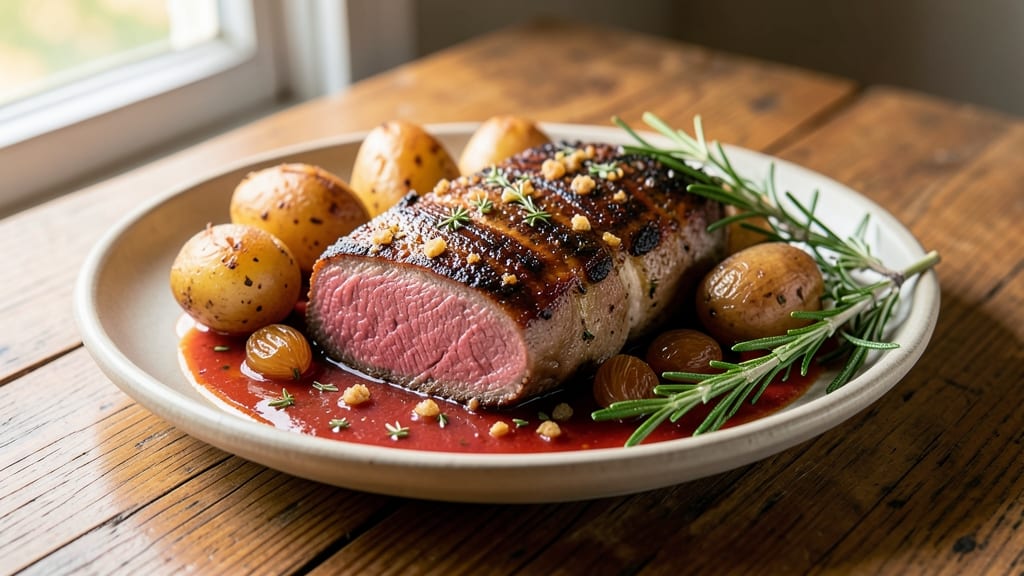
The Pioneer Woman's herb-crusted beef tenderloin delivers steakhouse-quality tenderness with a rustic yet refined touch. After perfecting this recipe through countless holiday feasts, I can confidently say this method transforms a simple cut into a showstopping centerpiece.
The secret lies in balancing bold herbs with just enough garlic and mustard for depth, while the reverse sear ensures a perfectly pink interior with a caramelized crust.
What sets this apart is the foolproof technique that works for both roasting and grilling, making it versatile for any occasion. Whether you're hosting Thanksgiving or treating yourself to a special dinner, the herb crust adds an aromatic complexity that elevates the natural richness of the beef.
The key steps—including proper seasoning, precise temperature control, and resting—ensure every slice is tender, juicy, and restaurant-worthy without requiring a culinary degree.
By the time you serve this dish, your guests will be impressed by the golden crust and melt-in-your-mouth texture, while the herbaceous aroma fills the room. The reverse sear method guarantees a crisp exterior and velvety interior, and the crust stays intact when slicing—no dry, overcooked steak here.
This recipe proves that with the right technique, even a simple cut of beef can become the star of the meal.
Pair it with classic sides like roasted potatoes or a fresh salad to complete the experience. The beauty of this method is its adaptability—whether you're cooking for a crowd or a quiet dinner for two, the results are consistently exceptional.
Let’s get started on creating your most impressive beef tenderloin yet.
Ingredients for pioneer woman beef tenderloin
Six ingredients transform ordinary beef into steakhouse-worthy elegance with minimal effort.
| Ingredient | Amount | Notes |
|---|---|---|
| Beef Tenderloin 🥩 | 4 lb | Center-cut, trimmed of fat |
| Fresh Rosemary 🌿 | ½ cup | Finely chopped, stems removed |
| Fresh Thyme 🌿 | ¼ cup | Leaves only, stems discarded |
| Garlic Cloves 🧄 | 8 cloves | Peeled, finely minced |
| Dijon Mustard 🍯 | 2 tbsp | High-quality, smooth texture |
| Extra-Virgin Olive Oil 🫒 | ½ cup | Light, fruity variety |
| Diamond Crystal Kosher Salt 🧂 | 1 ½ tbsp | Coarse grain preferred |
| Freshly Ground Black Pepper 🌶️ | 1 ½ tbsp | Cracked peppercorns preferred |
| Unsalted Butter 🧈 | ½ cup | Cold, cubed for searing |
| Fresh Parsley 🌿 | ¼ cup | Chopped, for garnish |
| Yellow Onion 🧅 | 1 whole | Thinly sliced, for aromatics |
The beef tenderloin is non-negotiable for this recipe—center-cut, trimmed of silver skin and fat ensures optimal tenderness. Source from a reputable butcher or high-end grocery like Whole Foods or Costco for premium quality. Look for bright red color and marbling (though tenderloin has minimal fat). If buying frozen, thaw in the refrigerator for 24-48 hours to maintain texture integrity. The herbs should be vibrant green, not wilted—farmers markets often carry fresher options than grocery stores. For the Dijon mustard, Maille or Amoy brands provide superior depth of flavor compared to generic supermarket options.
No fresh rosemary? Dried rosemary at one-third the amount works in a pinch, though fresh delivers superior aroma. Substituting garlic powder for minced garlic is possible (use 1.5 tbsp), but fresh garlic’s intensity elevates the herb crust. For the olive oil, avoid heavily perfumed varieties—California extra-virgin brands like Corto or Bertolli strike the right balance between fruity notes and neutral base. The butter must be unsalted to control seasoning precision; Plugrá or Land O’Lakes unsalted work well. If you lack Dijon mustard, a blend of yellow mustard and a pinch of sugar mimics its complexity.
Store the beef tenderloin in its original packaging or butcher paper for up to 5 days in the refrigerator. The herbs retain freshness for 5-7 days when wrapped in damp paper towels and sealed in a plastic bag. Prep the herb crust up to 24 hours ahead—it keeps well in an airtight container in the fridge, allowing flavors to meld. For long-term storage, freeze the herb mixture separately for up to 3 months. The seared butter should be used immediately or stored in the freezer for 1 month—reheat gently in a dry pan before serving.
Why You'll Love This Recipe
- No Fuss, Big Payoff: I swear by this recipe because it lets me skip the fuss. Just sear the tenderloin, slap on that Dijon-mustard rub with fresh rosemary and thyme, and let the oven do the work—no basting, no fussing.
- Herb-Packed Magic: That bright Dijon mustard and crushed garlic clove combo? It transforms simple beef into something ridiculously flavorful. The rosemary and thyme infuse so deeply, every bite tastes like a hug from a French countryside kitchen.
- Weeknight or Dinner Party: Honestly, this recipe doesn’t care what you’re doing. It’s perfect for a lazy Tuesday when I’m craving steak but don’t want to slave over it—and just as impressive when I’m hosting. Slice it thin, and suddenly you’ve got a showstopper.
- Leftovers? No Problem: Between us, this recipe makes enough for seconds (and thirds). The beef stays tender for days, so I can toss slices into salads, grain bowls, or even breakfast hash the next morning—no waste, all flavor.
Step-by-step instructions for herb-crusted beef tenderloin
This method delivers melt-in-your-mouth tenderness with a fragrant herb crust that rivals any steakhouse.
Prepare the Herb Crust Mixture
In a food processor, combine the 0.5 cup fresh rosemary, 0.25 cup fresh thyme, 8 cloves garlic cloves, and 1.5 tablespoons freshly ground black pepper. Pulse until you achieve a fine, even texture—this ensures even distribution of flavor throughout the crust. Transfer the herb mixture to a medium bowl.
Add the 2 tablespoons Dijon mustard and 1.5 tablespoons Diamond Crystal kosher salt to the herb mixture. Stir vigorously with a silicone spatula until fully incorporated. The mustard acts as a binder for the crust, while the salt enhances the natural flavors of the beef. Set this mixture aside while you prepare the tenderloin.
Season and Crust the Beef Tenderloin
Remove the 4 lb beef tenderloin from the refrigerator and pat it dry with paper towels—this is critical for achieving a proper sear. The drier the surface, the better the crust will form. Place the tenderloin on a cutting board and make several shallow cuts along the surface with a sharp knife, about ¼-inch deep—this creates channels for the herb mixture to penetrate deeper into the meat.
Spread the herb mixture evenly over the entire surface of the tenderloin, pressing gently to ensure it adheres. Wrap the tenderloin tightly in plastic wrap and refrigerate for at least 4 hours, or preferably overnight. This resting period allows the flavors to meld and the crust to set properly, ensuring maximum flavor infusion when you cook it.
Sear the Tenderloin for Maximum Flavor
Remove the tenderloin from the refrigerator and let it sit at room temperature for 30 minutes before cooking. Preheat your oven to 450°F. Heat a heavy-duty oven-safe skillet over medium-high heat and add 0.25 cup extra-virgin olive oil and 0.5 cup unsalted butter, cubed. Allow the butter to melt and foam slightly before adding the tenderloin.
Sear the tenderloin on all sides for 3-4 minutes per side until it develops a deep golden-brown crust. The butter will bubble vigorously, creating a rich, flavorful base for the roasting process. Once the crust is well-formed, transfer the skillet to the preheated oven and roast for 15-20 minutes, or until the internal temperature reaches 130°F for medium-rare. This searing step locks in juices and builds that essential crust.
Rest and Slice for Perfect Texture
Remove the tenderloin from the oven and transfer it to a cutting board. Tent loosely with aluminum foil and let it rest for 15-20 minutes—this is non-negotiable for achieving tender, juicy slices. During this time, the internal temperature will rise to 135-140°F, ensuring a perfect medium-rare finish. The resting period also allows the juices to redistribute throughout the meat, preventing them from pooling on the cutting board.
Slice the tenderloin against the grain into 1-inch thick portions. Garnish each slice with 0.25 cup chopped fresh parsley and serve immediately. The herb crust should be fragrant and slightly crisp, while the interior remains tender and moist. Pair with 1 whole yellow onion, thinly sliced and caramelized in the same pan for an elegant side dish.
Pro Tips For Making Pioneer Woman Beef Tenderloin
- Sear First, Roast Slow: The recipe calls for searing, but don’t rush it—get that pan smoking hot before the beef hits. I learned this the hard way: a quick sear just browns the outside without building the crust that locks in juices. Let the meat sit 5 minutes after searing while you preheat the oven to 425°F—this guarantees a head start on flavor.
- Trim the Rosemary: Fresh rosemary is bold, and Pioneer Woman’s recipe uses it generously. Strip the needles off the stems with your fingers—no need for scissors—then chop them finely. Whole sprigs burn easily and leave uneven flavor; finely chopped rosemary blends into the mustard-garlic paste like it’s supposed to.
- Don’t Skip the Mustard: The Dijon mustard in this recipe isn’t just for flavor—it’s the glue. Mix it thoroughly with the garlic, butter, and herbs before slathering it on the beef. I used to slap it on like paint, but spreading it in a thin, even layer ensures it caramelizes into a sticky, flavor-packed crust instead of clumping.
- Use a Meat Thermometer: Tenderloin is forgiving, but Pioneer Woman’s recipe aims for medium-rare (130°F internal temp). Guessing leads to overcooking—especially if your oven runs hot. Pop that probe in the thickest part and pull it when it hits the target. The rest time (10-15 minutes) is your friend, not your enemy.
Perfect pairings for these flavors
Classic Side Pairings
Roasted garlic mashed potatoes take center stage with their creamy texture and aromatic depth. I use Yukon Gold potatoes boiled until tender, then mashed with roasted garlic cloves, sour cream, and butter.
For extra richness, fold in grated Parmesan cheese and season with salt and pepper. Serve immediately alongside the tenderloin for a comforting contrast to the herbaceous crust. 🥔
Elegant Wine Selections
A bold Cabernet Sauvignon from Napa Valley—like Opus One or Caymus Vineyards—complements the beef’s richness with its dark fruit notes and tannic structure. For a more approachable option, Malbec from Argentina offers juicy blackberry flavors that harmonize beautifully.
Chill the bottle slightly before serving to soften the tannins and enhance the wine’s balance. 🍷
Fresh Vegetable Contrast
Sautéed asparagus with lemon zest and toasted almonds adds a vibrant, light element to the plate. Toss 1 bunch asparagus in olive oil, salt, and pepper, then roast at 425°F for 12-15 minutes until tender-crisp.
Finish with zest from 1 lemon and 2 tbsp sliced almonds for a touch of brightness that cuts through the richness of the beef. 🌱
Red Wine Reduction Sauce
Deglaze the pan used for searing the tenderloin with ½ cup red wine (like Pinot Noir) and reduce by half. Add 1 tbsp butter and 1 tsp Dijon mustard, then simmer until thickened.
Strain for a silky sauce, then drizzle over sliced tenderloin tableside for a dramatic finish. This sauce amplifies the herb crust’s flavors while adding a luxurious touch. 🍷
Creamy Polenta Base
For a heartier option, serve the tenderloin over creamy polenta made with 1 cup Arborio rice, 4 cups chicken broth, and 2 tbsp butter.
Cook until thick and smooth, then stir in grated Pecorino Romano for a salty, nutty finish. The polenta’s mild sweetness balances the beef’s savory depth perfectly. 🌾
Garnish and Presentation
Elevate the plate with microgreens and edible flowers for a restaurant-worthy presentation. A sprinkle of fresh thyme leaves and a drizzle of aged balsamic glaze add visual appeal and extra flavor.
Serve the tenderloin slices on a slate board or wooden platter to enhance the rustic elegance of this dish. ✨
Nutrition facts
Frequently asked questions
How do I choose the best beef tenderloin for this recipe?
Look for a center-cut tenderloin that's bright red with minimal marbling. A 4 lb cut is ideal for this recipe, and the butcher should trim off any silver skin or excess fat. Avoid pre-cut pieces with large gaps or irregular shapes, as they may not cook evenly.
Can I make this recipe on a grill instead of in the oven?
After searing the tenderloin in a cast-iron skillet, transfer it to a preheated grill set to medium-high heat. Cook for 10-12 minutes, turning occasionally, until the internal temperature reaches 130°F. Finish with a quick broil in the oven if needed for even cooking.
Why is resting the beef so important?
Resting for 15-20 minutes after cooking allows the juices to redistribute throughout the meat, preventing them from pooling on your cutting board. This ensures each slice stays tender and moist rather than dry. Skipping this step is the #1 mistake that ruins perfectly cooked beef!
What if my herb crust falls off while cooking?
This usually happens if the crust isn't pressed firmly or if the beef isn't dry before applying it. Pat the tenderloin completely dry and press the herb mixture into the shallow cuts you made in the meat. For extra adhesion, chill the coated tenderloin for 4+ hours before cooking.
How far in advance can I prepare the herb mixture?
The herb mixture can be made up to 24 hours ahead and stored in an airtight container in the fridge. The flavors will actually deepen over time! Just make sure to press it firmly onto the beef right before cooking for maximum adhesion.