
Sauces & Condiments
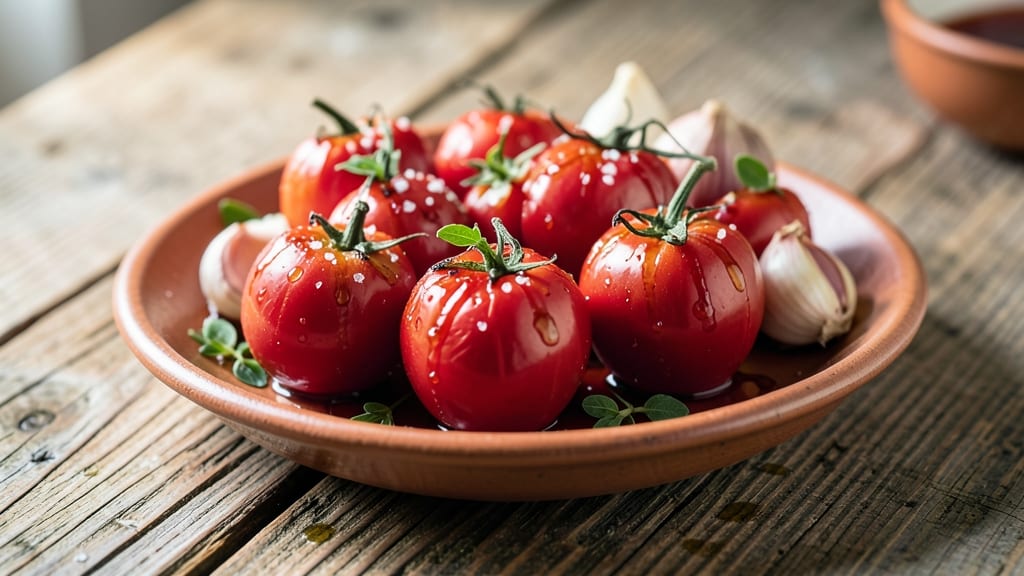
This cured tomatoes recipe transforms fresh tomatoes into concentrated bursts of sun-dried intensity—one of the most rewarding kitchen projects you can tackle. This cured tomatoes recipe delivers restaurant-quality preserves that elevate any dish—whether you're drizzling them over bruschetta, blending into sauces, or sprinkling on charcuterie boards.
The process concentrates their natural sweetness and umami depth while preserving them for months.
What makes this method special is its precision—balancing salt, time, and temperature to create perfectly preserved tomatoes with just the right texture. You'll work with ripe heirloom or vine tomatoes, carefully sliced and cured either in salt or olive oil, depending on your preference.
The key is patience; allowing 3-5 days for salt curing or 2-3 weeks for oil preservation ensures maximum flavor development.
By the end, you'll have vibrant, jammy tomato slices that burst with concentrated flavor in every bite. These homemade preserves taste nothing like store-bought versions—they're richer, more complex, and packed with the deep, caramelized sweetness that only comes from proper curing.
The best part? They keep beautifully in the refrigerator for up to 6 months, ready to transform ordinary meals into extraordinary ones.
Whether you're using them as a pasta sauce base, a pizza topping, or a sophisticated salad garnish, these cured tomatoes will become your kitchen's secret weapon. Let's get started on creating your own flavor-packed preserves.
Ingredients for cured tomatoes
Fresh tomatoes plus a few pantry staples—this simple method delivers restaurant-quality preserves.
| Ingredient | Amount | Notes |
|---|---|---|
| Heirloom or Vine Tomatoes 🍅 | 2 lb | Ripe, firm, seeds removed |
| Extra-Virgin Olive Oil 🫒 | 1 ½ cups | High-quality, fruity variety |
| Diamond Crystal Kosher Salt 🧂 | ½ cup | For salt curing method |
| Fresh Oregano Leaves 🌿 | ¼ cup | Chopped, optional for flavor |
| Garlic Cloves 🧄 | 4 cloves | Thinly sliced, optional |
| Red Wine Vinegar 🍷 | ¼ cup | For acidity balance |
| Honey 🍯 | ¼ cup | For sweetness balance |
| Black Peppercorns 🌶️ | 1 tsp | Crushed, optional |
Heirloom or vine tomatoes are the stars here. Look for varieties like San Marzano or Roma at Whole Foods or local farmers markets—they hold up best during curing. Ripe but firm is key; overripe tomatoes get mushy. I always buy more than needed since you'll have leftovers to enjoy fresh. For the olive oil, California extra-virgin like Corto or Otto adds the perfect fruity depth. If you're in a pinch, any good-quality EVOO works, but avoid heavily processed brands—they lack complexity.
No heirloom tomatoes? Roma or vine-ripened grocery store tomatoes work just fine. For the salt curing method, Diamond Crystal kosher salt dissolves cleanly without clouding the oil. Swap the oregano for fresh basil or thyme if you prefer. The garlic and peppercorns are optional but add layers of flavor—skip them if you're keeping it simple. For the vinegar, balsamic vinegar works too, but red wine adds a subtle sophistication. The honey? Manuka or clover both work, but avoid overly processed brands—they can taste artificial.
These cured tomatoes keep for 6 months in the fridge, sealed in olive oil. For salt-cured slices, store in a glass jar submerged in oil to prevent mold. I like to portion them into small containers—perfect for drizzling on bruschetta or tossing into pasta. The oil-cured version? Just keep it sealed and refrigerated. They'll develop even more depth over time, so don't rush the process.
Why You'll Love This Recipe
- No-Cook Magic: I swear by this recipe when I’m too tired to chop—just slice tomatoes, sprinkle salt, and let time do the work. That’s it. The salt pulls out the juices, concentrating the sweetness without any effort from me.
- Garlic-Oregano Bomb: Between us, the garlic and oregano in this cure are ridiculously good. The garlic softens just enough to mellow into the tomatoes, while the oregano adds that bright, herby punch that makes every bite taste like a summer afternoon.
- Pantry Starter Kit: Honestly, these cured tomatoes are my go-to for lazy nights or last-minute charcuterie boards. Toss them with crusty bread, pair them with cheese, or just eat them straight from the jar—no judgment here.
- Months of Flavor: I make a big batch in August when tomatoes are cheap and abundant, and they last me through winter. The oil keeps them preserved, and the salt enhances their flavor over time—so I’m basically getting free gourmet tomatoes for months.
Step-by-step instructions for cured tomatoes recipe
Transform fresh tomatoes into intensely flavorful preserves using just eight simple ingredients.
Prepare the Tomatoes for Curing
Cut the 2 lb heirloom or vine tomatoes in half horizontally, removing seeds and any soft cores. This step is crucial—it prevents the tomatoes from becoming mushy during the curing process. Arrange the tomato halves cut-side up in a single layer on a baking sheet, ensuring they don't touch. Place them in the refrigerator uncovered for 24 hours. This drying period allows the salt to penetrate deeply, creating that signature sun-dried intensity without actual sun exposure.
After 24 hours, you'll notice the tomato edges have begun to soften slightly. This is exactly what we want—the salt is already working its magic. If you're using the optional fresh oregano leaves and 4 cloves garlic cloves, thinly slice the garlic and chop the oregano finely now. These will be layered in during the curing process to infuse their flavors throughout.
Create the Salt Cure Mixture
In a medium bowl, combine the 0.5 cup Diamond Crystal kosher salt with the 1.5 cups extra-virgin olive oil until fully dissolved. This mixture is the foundation of your cured tomatoes—it's what will draw out moisture while preserving the tomatoes' natural sweetness. Stir in the 0.25 cup red wine vinegar and 0.25 cup honey, whisking until smooth. The vinegar adds brightness while the honey balances the saltiness, creating a perfect flavor profile.
Add the crushed 1 tsp black peppercorns to the mixture and stir again. The peppercorns will add subtle heat and depth as they infuse over time. If you've prepped the optional garlic and oregano, add them now and mix gently. This step is where all the flavors begin to marry together—take a moment to smell the mixture. You should detect a complex aroma of olive oil, vinegar, and the herbal notes of oregano.
Cure the Tomatoes in Layers
Transfer the salted tomato halves to a clean, airtight glass jar or ceramic crock, placing them cut-side up in a single layer. Pour the salt cure mixture evenly over the tomatoes, ensuring each piece is fully coated. The liquid should rise about halfway up the sides of the tomatoes. If you're using a jar, leave about 1 inch of headspace at the top to allow for expansion.
Cover the jar loosely with a lid or cloth to allow for slow evaporation while keeping out debris. Place the jar in a cool, dark spot—like a pantry or cellar—for 5 to 7 days. During this time, the tomatoes will soften and develop their signature cured texture. Check the jar daily, giving it a gentle shake to redistribute the curing liquid. You'll know it's ready when the tomatoes are tender but still hold their shape, and the liquid has reduced slightly.
Finish and Store the Cured Tomatoes
Once the tomatoes reach the perfect texture, carefully transfer them to a fresh airtight container, discarding any remaining curing liquid. The tomatoes should be glossy, slightly shrunken, and deeply flavorful. If you're using the optional garlic and oregano, you can now layer them between the tomato halves for an extra burst of flavor. Seal the container tightly and store it in the refrigerator, where the tomatoes will continue to develop their intensity over the next 2 to 4 weeks.
The longer they cure, the more concentrated their flavor becomes. Use these tomatoes in pasta dishes, antipasto platters, or simply enjoy them straight from the jar as a sophisticated snack. Each bite should deliver a perfect balance of sweet, salty, tangy, and herbal notes—proof that homemade truly tastes better.
Pro Tips For Making Cured Tomatoes
- HALVE THE TOMATOES: Cut them lengthwise down the middle—not into wedges—so they dry evenly and absorb the oil and salt faster. I used to slice them like apples, and they’d shrivel into sad, uneven puckers. A straight cut keeps the flesh intact and makes packing the jar easier.
- SALT IN LAYERS: Don’t just dump salt on top—sprinkle it between every layer of tomatoes, garlic, and oregano. The salt needs to penetrate the flesh, not just sit on the surface. Think of it like seasoning a roast: patience pays off in flavor.
- CRUSH THE GARLIC: Smash the garlic cloves with the flat side of your knife before mincing—this releases more flavor. Whole cloves stay stubbornly underseasoned, and finely chopped garlic burns too fast. A few firm presses get the job done without turning bitter.
- PACK THE JAR TIGHT: Press the tomatoes down hard with a spoon or your fist to remove air pockets. Oxygen speeds up spoilage, and loose packing lets the oil pool instead of coating every surface. If it looks crowded, it’s working—just leave the rim free for the lid.
Creative variations of cured tomatoes
Sun-Dried Tomato Jam
Turn your cured tomatoes into a versatile jam by blending them with 2 tbsp tomato paste and 1 tbsp balsamic glaze after curing. Simmer the mixture for 10 minutes on low heat until thickened, then store in a sterilized jar.
This jam is perfect for spreading on toast, drizzling over grilled meats, or mixing into marinara sauce. The texture becomes velvety, and the flavor becomes even more concentrated. 💛
Fermented Tomato Relish
For a tangy twist, ferment your cured tomatoes in a 1:1 ratio of apple cider vinegar and water with 1 tbsp sea salt and 1 tsp juniper berries for 5-7 days.
This method creates a probiotic-rich relish that pairs beautifully with charcuterie boards or as a condiment for roasted vegetables. The fermentation process adds a bright, effervescent quality that contrasts with the tomatoes' natural sweetness.
Spicy Arrabbiata Sauce
Blend cured tomatoes with 3 cloves roasted garlic, 1 tsp red pepper flakes, and ½ cup basil leaves until smooth. Simmer the sauce for 15 minutes to meld the flavors, then finish with a splash of white wine.
This spicy arrabbiata sauce is ideal for tossing with pasta or drizzling over grilled chicken. The cured tomatoes add depth that store-bought sauces simply can't match. 🌶️
Tomato Oil Infusion
Use your cured tomatoes to infuse olive oil by layering them in a clean jar with 1 cup high-quality extra-virgin olive oil. Let the jar sit at room temperature for 2 weeks, shaking gently every few days.
Strain the oil and store it in a dark bottle. This tomato-infused oil is perfect for finishing dishes like bruschetta, soups, or drizzling over grilled vegetables. The flavor is rich, complex, and full of umami.
Stuffed Tomato Crostini
Halve your cured tomatoes lengthwise and stuff them with a mix of whipped goat cheese, thinly sliced prosciutto, and toasted pine nuts. Place the stuffed tomatoes on a baking sheet and broil for 3-4 minutes until the cheese is bubbly.
Serve warm as an antipasto starter or a sophisticated appetizer. The cured tomatoes add a burst of flavor that elevates the dish to restaurant-quality. ✨
Tomato Confit
For a French-inspired variation, slow-cook your cured tomatoes with 2 tbsp butter, 1 tbsp fresh thyme, and 1 bay leaf at 275°F for 2 hours until they're caramelized and tender. Remove the thyme and bay leaf before serving.
This tomato confit is perfect for spreading on crusty bread or using as a topping for grilled steak. The slow cooking intensifies the natural sweetness of the tomatoes. 🔥
Nutrition facts
Frequently asked questions
Can I use regular grocery store tomatoes instead of heirloom?
Yes, you can! While heirloom tomatoes have better texture and flavor, Roma or vine-ripened grocery store tomatoes work perfectly fine. Just make sure they're ripe but firm to avoid mushiness during curing. The key is removing all seeds and cores first—this prevents excess moisture that could spoil your preserves.
How do I know when the curing process is complete?
The tomatoes are ready when they're tender but still hold their shape, and the curing liquid has reduced slightly. After 5-7 days, gently press a tomato—it should yield slightly but not feel mushy. The color will deepen to a rich, jammy hue, and you'll notice concentrated sweetness when you taste a piece.
What's the difference between salt curing and oil curing?
Salt curing preserves tomatoes through osmosis (drawing out moisture), while oil curing creates a sealed anaerobic environment that prevents spoilage. Salt-cured tomatoes last 6 months in the fridge, while oil-cured ones keep 3 months (since oil can go rancid). Salt curing gives a firmer texture, while oil curing creates a softer, more spreadable consistency.
Can I speed up the curing process?
Not safely! The 5-7 day curing time is essential for proper preservation and flavor development. Rushing can lead to mold or uneven curing. If you're impatient, try using slightly smaller tomato pieces—they'll cure faster while maintaining quality. But never skip the full process for food safety reasons.
What are the best ways to use these cured tomatoes?
These versatile preserves shine in pasta sauces, bruschetta toppings, salad garnishes, or even as a sophisticated snack with cheese. Try blending them into marinara, layering on charcuterie boards, or drizzling over grilled meats. The concentrated flavor means you only need a little to make a big impact!